

9 minutes
9 minutes

Feb 26, 2026
Medication Safety – Protecting UK Patients Daily
Finding trustworthy medication guidance can feel overwhelming when you rely on treatments every day. The risk of unintended medication errors is far greater than many realise, with research showing substantial numbers of medical incidents happen during prescription and administration. For British patients managing chronic illnesses, understanding medication safety and correcting common misconceptions is essential for preventing harmful drug interactions and staying safe throughout the treatment journey.
Table of Contents
Defining Medication Safety And Common Misconceptions
Understanding Medication Errors And High-Risk Medicines
Managing Drug Interactions And Side Effects Responsibly
Pharmaceutical Documentation: PILs, SmPCs, And Alerts
Legal Safeguards, Patient Rights, And Privacy Considerations
Promoting Safe Use: Strategies For Patients And Carers
Key Takeaways
Point | Details |
|---|---|
Medication Safety | Ensuring medication safety requires accurate prescriptions, thorough patient history reviews, and effective communication among healthcare professionals. |
Common Misconceptions | Patients often misunderstand medication safety, believing medications are risk-free or that pharmacists catch all interactions, which emphasises the need for patient education. |
Managing Drug Interactions | Vigilance in monitoring drug interactions and side effects is essential; patients should regularly consult their healthcare providers about all current medications. |
Patient Rights and Privacy | Legal safeguards around patient rights and privacy are crucial, necessitating clear communication about how medical data will be managed and protected. |
Defining Medication Safety And Common Misconceptions
Medication safety represents a critical healthcare priority involving the prevention of potential harm during medication management and administration. Preventing unintended medication incidents requires understanding complex processes across prescribing, dispensing, and patient consumption stages.
At its core, medication safety encompasses multiple strategic dimensions designed to minimise patient risk. These dimensions include:
Accurate prescription verification
Precise medication dosage calculations
Comprehensive patient medication history review
Robust communication between healthcare professionals
Systematic error reporting and tracking mechanisms
Medication errors are more prevalent than many patients realise. Research indicates that substantial proportions of medical incidents occur during medication management, with potential consequences ranging from mild side effects to severe adverse reactions. Identifying medication safety risks involves understanding common misconceptions that can compromise patient wellbeing.
Common misconceptions about medication safety often stem from inadequate patient education and systemic communication gaps. Patients might erroneously believe that:
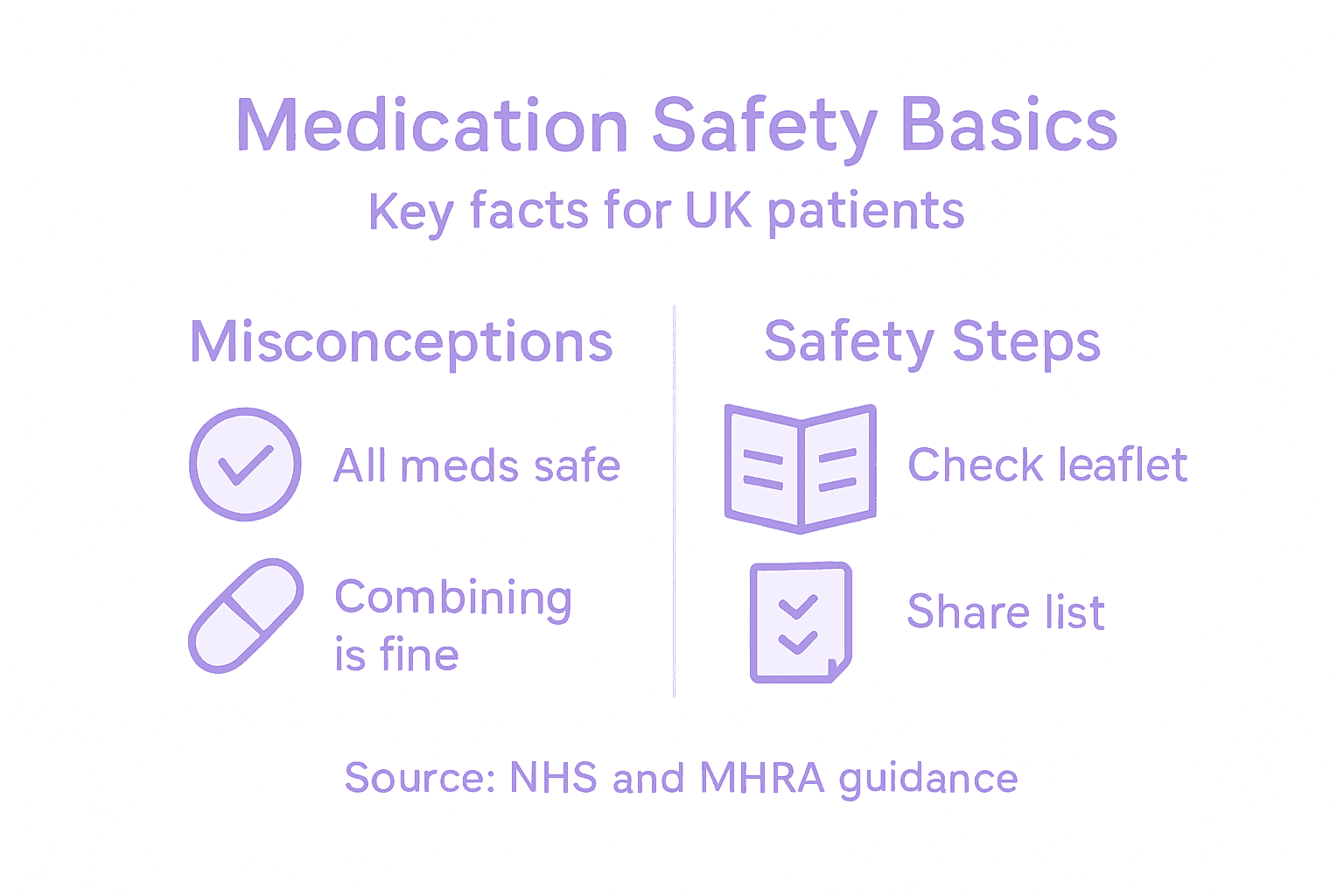
Here is a comparison of common medication misconceptions and the realities clarifying each:
Misconception | Reality |
|---|---|
Prescribed medications are risk-free | All medicines carry potential risks |
Mixing medicines is always safe | Some combinations are harmful |
Generics are less effective | Generics meet strict efficacy standards |
Professionals catch all interactions | Some interactions may go unnoticed |
All prescribed medications are completely risk-free
Combining multiple medications is always safe
Generic drugs are inherently less effective than branded alternatives
Pharmacists and doctors will automatically catch potential drug interactions
Healthcare professionals play a pivotal role in challenging these misconceptions by providing clear, accessible information and promoting patient awareness. Transparent communication about potential risks, side effects, and proper medication management can significantly reduce inadvertent errors.
Medication safety is not just about preventing mistakes, but actively creating systems that protect patient health at every stage of treatment.
Pro tip: Always maintain an updated, comprehensive list of your current medications and share this information with every healthcare professional you consult.
Understanding Medication Errors And High-Risk Medicines
Medication errors represent a complex and significant challenge in healthcare, involving preventable incidents that can potentially harm patients during treatment. Understanding medication error mechanisms requires comprehensive analysis of factors involving medications, patients, and healthcare professionals.
These errors can manifest through multiple pathways, including:
Prescription mistakes
Dosage calculation errors
Misinterpretation of medical instructions
Communication breakdowns between healthcare providers
Patient misunderstanding of medication regimens
High-risk medicines demand extraordinary attention due to their narrow therapeutic indices and complex administration requirements. Identifying medication error risks reveals that specific patient groups face heightened vulnerabilities, particularly elderly individuals, children, and pregnant patients who require nuanced medication management.
The primary contributing factors to medication errors include:
Similar drug names causing confusion
Complex dosing instructions
Inadequate patient medical history reviews
Cognitive biases among healthcare professionals
Limited patient health literacy
Healthcare systems must implement robust safety protocols to mitigate these risks. This involves developing standardised communication methods, implementing double-checking mechanisms, and creating clear medication administration guidelines that minimise human error potential.
Medication safety is a shared responsibility between healthcare professionals and patients, requiring constant vigilance and systematic error prevention strategies.
Pro tip: Always request a comprehensive medication review from your healthcare provider to understand potential interaction risks and ensure optimal treatment management.
Managing Drug Interactions And Side Effects Responsibly
Drug interactions represent a critical aspect of medication safety that requires meticulous understanding and proactive management. Comprehensive drug interaction assessment involves examining how different medications interact at pharmacokinetic and pharmacodynamic levels, potentially impacting treatment efficacy and patient safety.
The primary mechanisms of drug interactions include:
Pharmacokinetic alterations affecting drug absorption
Changes in medication metabolism rates
Modifications of drug distribution within the body
Potential variations in drug elimination processes
Synergistic or antagonistic effects between medications
Side effects can emerge through complex biochemical pathways, requiring patients and healthcare professionals to remain vigilant. Understanding drug interaction mechanisms is crucial for predicting and mitigating potential adverse reactions that might compromise treatment effectiveness.
Key strategies for responsible medication management involve:
Maintaining a comprehensive medication record
Consulting healthcare professionals before introducing new medications
Understanding potential interaction risks
Monitoring body responses to medication combinations
Reporting unexpected side effects promptly
Healthcare practitioners play a pivotal role in identifying and preventing potentially dangerous drug interactions. They must critically evaluate patient medical histories, current medication regimens, and individual physiological characteristics to develop personalised treatment approaches.
Effective medication management requires constant communication, vigilance, and a collaborative approach between patients and healthcare providers.
Pro tip: Always inform your healthcare provider about every medication, supplement, and herbal remedy you are currently taking to prevent potential adverse interactions.
Pharmaceutical Documentation: PILs, SmPCs, And Alerts
Pharmaceutical documentation serves as a crucial communication mechanism between healthcare professionals, regulatory bodies, and patients. Understanding medicinal product information requires careful examination of different documentation types that provide comprehensive insights into medication safety and usage.
The primary pharmaceutical documentation components include:
Patient Information Leaflets (PILs): Detailed guidance for patients
Summary of Product Characteristics (SmPCs): Technical documentation for healthcare professionals
Public Assessment Reports: Comprehensive regulatory evaluations
Safety Update Notifications: Ongoing risk communication mechanisms
Pharmacovigilance Alerts: Critical safety communications
Pharmaceutical documentation plays a vital role in ensuring patient safety and informed decision-making. Comprehensive medication documentation research highlights significant variations in readability and comprehension across different information resources.

This summary outlines how different types of pharmaceutical documents support medication safety:
Document Type | Audience | Key Purpose |
|---|---|---|
Patient Information Leaflet (PIL) | Patients | Practical usage and safety instructions |
Summary of Product Characteristics (SmPC) | Health professionals | In-depth technical and clinical details |
Safety Update Notification | General public & professionals | Ongoing updates on medication risks |
Public Assessment Report | Regulatory authorities | Evaluation of risks and benefits |
Pharmacovigilance Alert | Healthcare sector | Communicate new or urgent safety issues |
Key considerations for effective pharmaceutical documentation involve:
Ensuring clear, accessible language
Providing comprehensive safety information
Highlighting potential side effects and interactions
Offering precise dosage and administration guidance
Maintaining transparency about medication risks
Regulatory frameworks mandate stringent requirements for pharmaceutical documentation, emphasising the need for precise, patient-friendly information that supports safe medication use. Healthcare professionals and patients must collaborate to interpret and apply these critical documents effectively.
Effective pharmaceutical documentation bridges the communication gap between complex medical information and patient understanding.
Pro tip: Always request a copy of the Patient Information Leaflet and discuss its contents thoroughly with your healthcare provider to ensure complete medication comprehension.
Legal Safeguards, Patient Rights, And Privacy Considerations
Patient rights form a critical foundation of modern healthcare, encompassing comprehensive legal protections designed to safeguard individual autonomy and medical privacy. Evolving healthcare legal frameworks continuously adapt to address emerging technological and ethical challenges in medical environments.
Key patient rights and legal safeguards include:
Right to informed consent
Access to personal medical information
Confidentiality of medical records
Protection against discriminatory medical practices
Right to refuse treatment
Autonomous medical decision-making
Regulatory mechanisms play a pivotal role in maintaining patient safety and privacy. Safety communications and legal obligations ensure transparent communication about potential medical risks and product safety.
Critical privacy considerations in healthcare encompass:
Strict data protection protocols
Secure medical record management
Limited information sharing
Patient consent for data usage
Anonymisation of sensitive medical information
Robust cybersecurity measures
Healthcare institutions must navigate complex legal landscapes, balancing patient protection with technological advancements. This requires continuous adaptation of legal frameworks to address emerging challenges in medical technology and data management.
Legal safeguards are not merely bureaucratic procedures, but essential mechanisms protecting patient dignity and autonomy.
Pro tip: Always request detailed explanations about how your medical data will be used, stored, and protected before consenting to any medical procedure or treatment.
Promoting Safe Use: Strategies For Patients And Carers
Medication safety requires collaborative approaches involving patients, carers, and healthcare professionals to minimise potential risks and enhance treatment effectiveness. Comprehensive medication safety strategies focus on proactive communication, thorough understanding, and systematic management of medical treatments.
Key strategies for patients and carers include:
Maintaining an updated medication list
Understanding precise dosage instructions
Checking for potential drug interactions
Implementing proper medication storage techniques
Communicating openly with healthcare providers
Monitoring and reporting unexpected side effects
Patient education plays a critical role in medication management. Safe medication use initiatives emphasise the importance of empowering individuals with knowledge about their prescribed treatments, potential risks, and correct administration methods.
Essential considerations for responsible medication management involve:
Reading medication labels carefully
Using appropriate measuring tools for liquid medications
Understanding potential side effects
Knowing when to seek medical advice
Keeping medications out of children’s reach
Avoiding self-medication without professional guidance
Healthcare collaboration remains fundamental in promoting medication safety. Carers and patients must actively engage with medical professionals, ask questions, and seek clarification about treatment protocols and potential interactions.
Safe medication use is a shared responsibility that requires constant vigilance, communication, and mutual understanding.
Pro tip: Create a medication diary to track dosages, timing, and any observed side effects, which can provide valuable insights during medical consultations.
Enhance Your Medication Safety Every Day with My Meds UK
Medication safety is a major challenge for both patients and healthcare professionals in the United Kingdom. From navigating complex drug interactions and managing side effects to understanding official pharmaceutical documentation like Patient Information Leaflets and Summary of Product Characteristics, the risks are real and demand careful attention. You deserve an easy way to prevent medication errors, maintain an accurate medication list, and stay informed about potential risks with trusted, MHRA-approved data at your fingertips.
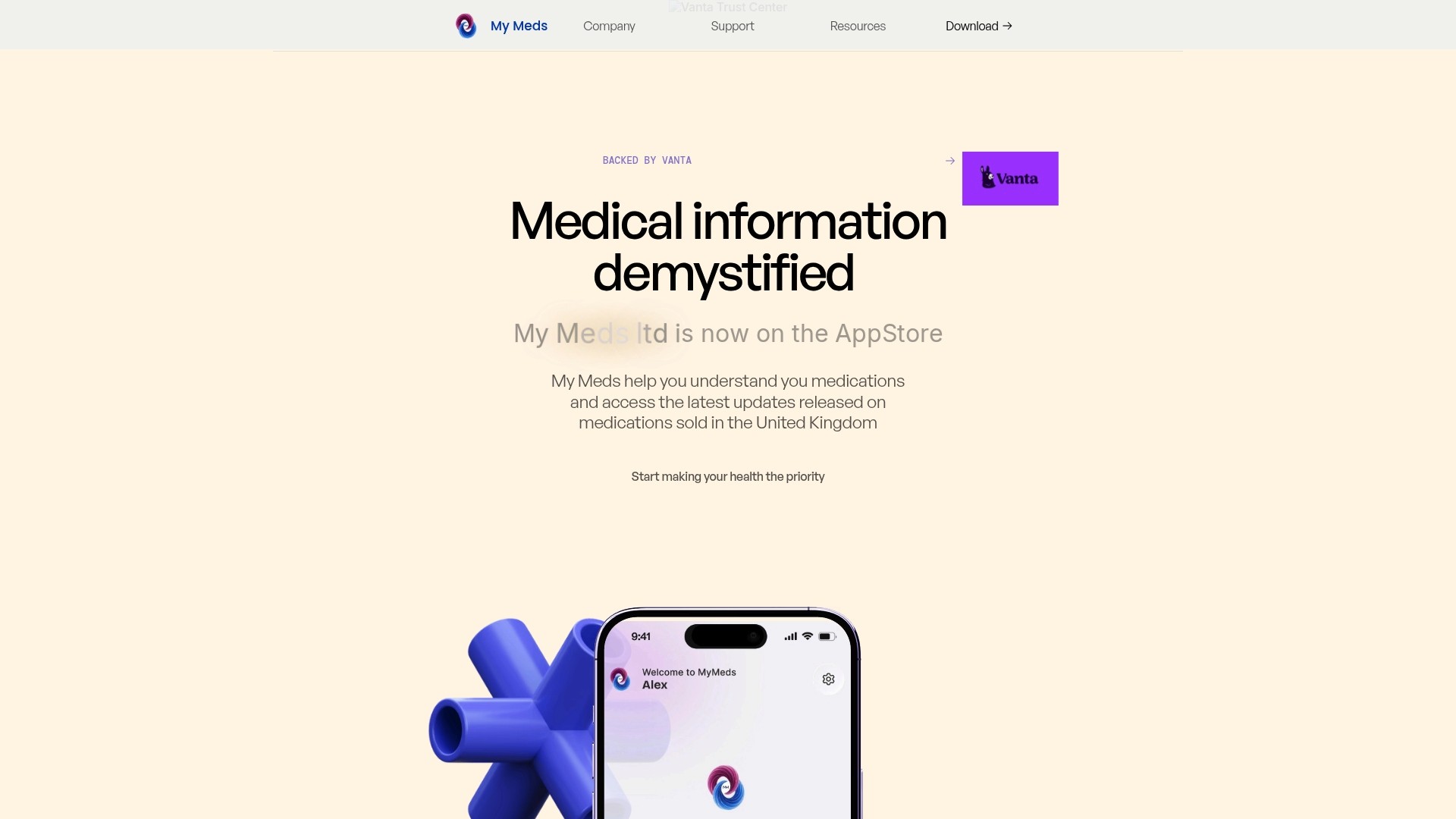
Discover how My Meds UK puts vital medication insights and personalised interaction analysis directly in your hands. Use the app to securely track your medicines with biometric login, access clear drug safety information, and receive updates on pharmacovigilance alerts tailored for UK patients and healthcare providers. Don’t wait for a medication mishap to highlight the gaps in your knowledge. Visit My Meds UK now and take the first step towards safer, smarter medication management.
Frequently Asked Questions
What is medication safety?
Medication safety refers to the strategies and practices designed to prevent harm during the management and administration of medications. It encompasses various stages, including prescribing, dispensing, and patient consumption.
What are common misconceptions about medication safety?
Common misconceptions include the belief that prescribed medications are risk-free, that combining multiple medications is always safe, and that generic drugs are less effective than branded alternatives. These misconceptions can lead to increased patient risk.
How can patients manage drug interactions and side effects?
Patients can manage drug interactions and side effects by maintaining a comprehensive medication record, consulting healthcare professionals before introducing new medications, understanding potential interaction risks, and monitoring their responses to medication combinations.
What should I know about Patient Information Leaflets (PILs)?
Patient Information Leaflets (PILs) provide crucial information for patients on how to use a medication safely, including dosage instructions, potential side effects, and interaction information. It’s essential to read these documents carefully and discuss any questions with healthcare providers.
Recommended
Medication Safety – Protecting UK Patients Daily
Finding trustworthy medication guidance can feel overwhelming when you rely on treatments every day. The risk of unintended medication errors is far greater than many realise, with research showing substantial numbers of medical incidents happen during prescription and administration. For British patients managing chronic illnesses, understanding medication safety and correcting common misconceptions is essential for preventing harmful drug interactions and staying safe throughout the treatment journey.
Table of Contents
Defining Medication Safety And Common Misconceptions
Understanding Medication Errors And High-Risk Medicines
Managing Drug Interactions And Side Effects Responsibly
Pharmaceutical Documentation: PILs, SmPCs, And Alerts
Legal Safeguards, Patient Rights, And Privacy Considerations
Promoting Safe Use: Strategies For Patients And Carers
Key Takeaways
Point | Details |
|---|---|
Medication Safety | Ensuring medication safety requires accurate prescriptions, thorough patient history reviews, and effective communication among healthcare professionals. |
Common Misconceptions | Patients often misunderstand medication safety, believing medications are risk-free or that pharmacists catch all interactions, which emphasises the need for patient education. |
Managing Drug Interactions | Vigilance in monitoring drug interactions and side effects is essential; patients should regularly consult their healthcare providers about all current medications. |
Patient Rights and Privacy | Legal safeguards around patient rights and privacy are crucial, necessitating clear communication about how medical data will be managed and protected. |
Defining Medication Safety And Common Misconceptions
Medication safety represents a critical healthcare priority involving the prevention of potential harm during medication management and administration. Preventing unintended medication incidents requires understanding complex processes across prescribing, dispensing, and patient consumption stages.
At its core, medication safety encompasses multiple strategic dimensions designed to minimise patient risk. These dimensions include:
Accurate prescription verification
Precise medication dosage calculations
Comprehensive patient medication history review
Robust communication between healthcare professionals
Systematic error reporting and tracking mechanisms
Medication errors are more prevalent than many patients realise. Research indicates that substantial proportions of medical incidents occur during medication management, with potential consequences ranging from mild side effects to severe adverse reactions. Identifying medication safety risks involves understanding common misconceptions that can compromise patient wellbeing.
Common misconceptions about medication safety often stem from inadequate patient education and systemic communication gaps. Patients might erroneously believe that:
Here is a comparison of common medication misconceptions and the realities clarifying each:
Misconception | Reality |
|---|---|
Prescribed medications are risk-free | All medicines carry potential risks |
Mixing medicines is always safe | Some combinations are harmful |
Generics are less effective | Generics meet strict efficacy standards |
Professionals catch all interactions | Some interactions may go unnoticed |
All prescribed medications are completely risk-free
Combining multiple medications is always safe
Generic drugs are inherently less effective than branded alternatives
Pharmacists and doctors will automatically catch potential drug interactions
Healthcare professionals play a pivotal role in challenging these misconceptions by providing clear, accessible information and promoting patient awareness. Transparent communication about potential risks, side effects, and proper medication management can significantly reduce inadvertent errors.
Medication safety is not just about preventing mistakes, but actively creating systems that protect patient health at every stage of treatment.
Pro tip: Always maintain an updated, comprehensive list of your current medications and share this information with every healthcare professional you consult.
Understanding Medication Errors And High-Risk Medicines
Medication errors represent a complex and significant challenge in healthcare, involving preventable incidents that can potentially harm patients during treatment. Understanding medication error mechanisms requires comprehensive analysis of factors involving medications, patients, and healthcare professionals.
These errors can manifest through multiple pathways, including:
Prescription mistakes
Dosage calculation errors
Misinterpretation of medical instructions
Communication breakdowns between healthcare providers
Patient misunderstanding of medication regimens
High-risk medicines demand extraordinary attention due to their narrow therapeutic indices and complex administration requirements. Identifying medication error risks reveals that specific patient groups face heightened vulnerabilities, particularly elderly individuals, children, and pregnant patients who require nuanced medication management.
The primary contributing factors to medication errors include:
Similar drug names causing confusion
Complex dosing instructions
Inadequate patient medical history reviews
Cognitive biases among healthcare professionals
Limited patient health literacy
Healthcare systems must implement robust safety protocols to mitigate these risks. This involves developing standardised communication methods, implementing double-checking mechanisms, and creating clear medication administration guidelines that minimise human error potential.
Medication safety is a shared responsibility between healthcare professionals and patients, requiring constant vigilance and systematic error prevention strategies.
Pro tip: Always request a comprehensive medication review from your healthcare provider to understand potential interaction risks and ensure optimal treatment management.
Managing Drug Interactions And Side Effects Responsibly
Drug interactions represent a critical aspect of medication safety that requires meticulous understanding and proactive management. Comprehensive drug interaction assessment involves examining how different medications interact at pharmacokinetic and pharmacodynamic levels, potentially impacting treatment efficacy and patient safety.
The primary mechanisms of drug interactions include:
Pharmacokinetic alterations affecting drug absorption
Changes in medication metabolism rates
Modifications of drug distribution within the body
Potential variations in drug elimination processes
Synergistic or antagonistic effects between medications
Side effects can emerge through complex biochemical pathways, requiring patients and healthcare professionals to remain vigilant. Understanding drug interaction mechanisms is crucial for predicting and mitigating potential adverse reactions that might compromise treatment effectiveness.
Key strategies for responsible medication management involve:
Maintaining a comprehensive medication record
Consulting healthcare professionals before introducing new medications
Understanding potential interaction risks
Monitoring body responses to medication combinations
Reporting unexpected side effects promptly
Healthcare practitioners play a pivotal role in identifying and preventing potentially dangerous drug interactions. They must critically evaluate patient medical histories, current medication regimens, and individual physiological characteristics to develop personalised treatment approaches.
Effective medication management requires constant communication, vigilance, and a collaborative approach between patients and healthcare providers.
Pro tip: Always inform your healthcare provider about every medication, supplement, and herbal remedy you are currently taking to prevent potential adverse interactions.
Pharmaceutical Documentation: PILs, SmPCs, And Alerts
Pharmaceutical documentation serves as a crucial communication mechanism between healthcare professionals, regulatory bodies, and patients. Understanding medicinal product information requires careful examination of different documentation types that provide comprehensive insights into medication safety and usage.
The primary pharmaceutical documentation components include:
Patient Information Leaflets (PILs): Detailed guidance for patients
Summary of Product Characteristics (SmPCs): Technical documentation for healthcare professionals
Public Assessment Reports: Comprehensive regulatory evaluations
Safety Update Notifications: Ongoing risk communication mechanisms
Pharmacovigilance Alerts: Critical safety communications
Pharmaceutical documentation plays a vital role in ensuring patient safety and informed decision-making. Comprehensive medication documentation research highlights significant variations in readability and comprehension across different information resources.
This summary outlines how different types of pharmaceutical documents support medication safety:
Document Type | Audience | Key Purpose |
|---|---|---|
Patient Information Leaflet (PIL) | Patients | Practical usage and safety instructions |
Summary of Product Characteristics (SmPC) | Health professionals | In-depth technical and clinical details |
Safety Update Notification | General public & professionals | Ongoing updates on medication risks |
Public Assessment Report | Regulatory authorities | Evaluation of risks and benefits |
Pharmacovigilance Alert | Healthcare sector | Communicate new or urgent safety issues |
Key considerations for effective pharmaceutical documentation involve:
Ensuring clear, accessible language
Providing comprehensive safety information
Highlighting potential side effects and interactions
Offering precise dosage and administration guidance
Maintaining transparency about medication risks
Regulatory frameworks mandate stringent requirements for pharmaceutical documentation, emphasising the need for precise, patient-friendly information that supports safe medication use. Healthcare professionals and patients must collaborate to interpret and apply these critical documents effectively.
Effective pharmaceutical documentation bridges the communication gap between complex medical information and patient understanding.
Pro tip: Always request a copy of the Patient Information Leaflet and discuss its contents thoroughly with your healthcare provider to ensure complete medication comprehension.
Legal Safeguards, Patient Rights, And Privacy Considerations
Patient rights form a critical foundation of modern healthcare, encompassing comprehensive legal protections designed to safeguard individual autonomy and medical privacy. Evolving healthcare legal frameworks continuously adapt to address emerging technological and ethical challenges in medical environments.
Key patient rights and legal safeguards include:
Right to informed consent
Access to personal medical information
Confidentiality of medical records
Protection against discriminatory medical practices
Right to refuse treatment
Autonomous medical decision-making
Regulatory mechanisms play a pivotal role in maintaining patient safety and privacy. Safety communications and legal obligations ensure transparent communication about potential medical risks and product safety.
Critical privacy considerations in healthcare encompass:
Strict data protection protocols
Secure medical record management
Limited information sharing
Patient consent for data usage
Anonymisation of sensitive medical information
Robust cybersecurity measures
Healthcare institutions must navigate complex legal landscapes, balancing patient protection with technological advancements. This requires continuous adaptation of legal frameworks to address emerging challenges in medical technology and data management.
Legal safeguards are not merely bureaucratic procedures, but essential mechanisms protecting patient dignity and autonomy.
Pro tip: Always request detailed explanations about how your medical data will be used, stored, and protected before consenting to any medical procedure or treatment.
Promoting Safe Use: Strategies For Patients And Carers
Medication safety requires collaborative approaches involving patients, carers, and healthcare professionals to minimise potential risks and enhance treatment effectiveness. Comprehensive medication safety strategies focus on proactive communication, thorough understanding, and systematic management of medical treatments.
Key strategies for patients and carers include:
Maintaining an updated medication list
Understanding precise dosage instructions
Checking for potential drug interactions
Implementing proper medication storage techniques
Communicating openly with healthcare providers
Monitoring and reporting unexpected side effects
Patient education plays a critical role in medication management. Safe medication use initiatives emphasise the importance of empowering individuals with knowledge about their prescribed treatments, potential risks, and correct administration methods.
Essential considerations for responsible medication management involve:
Reading medication labels carefully
Using appropriate measuring tools for liquid medications
Understanding potential side effects
Knowing when to seek medical advice
Keeping medications out of children’s reach
Avoiding self-medication without professional guidance
Healthcare collaboration remains fundamental in promoting medication safety. Carers and patients must actively engage with medical professionals, ask questions, and seek clarification about treatment protocols and potential interactions.
Safe medication use is a shared responsibility that requires constant vigilance, communication, and mutual understanding.
Pro tip: Create a medication diary to track dosages, timing, and any observed side effects, which can provide valuable insights during medical consultations.
Enhance Your Medication Safety Every Day with My Meds UK
Medication safety is a major challenge for both patients and healthcare professionals in the United Kingdom. From navigating complex drug interactions and managing side effects to understanding official pharmaceutical documentation like Patient Information Leaflets and Summary of Product Characteristics, the risks are real and demand careful attention. You deserve an easy way to prevent medication errors, maintain an accurate medication list, and stay informed about potential risks with trusted, MHRA-approved data at your fingertips.
Discover how My Meds UK puts vital medication insights and personalised interaction analysis directly in your hands. Use the app to securely track your medicines with biometric login, access clear drug safety information, and receive updates on pharmacovigilance alerts tailored for UK patients and healthcare providers. Don’t wait for a medication mishap to highlight the gaps in your knowledge. Visit My Meds UK now and take the first step towards safer, smarter medication management.
Frequently Asked Questions
What is medication safety?
Medication safety refers to the strategies and practices designed to prevent harm during the management and administration of medications. It encompasses various stages, including prescribing, dispensing, and patient consumption.
What are common misconceptions about medication safety?
Common misconceptions include the belief that prescribed medications are risk-free, that combining multiple medications is always safe, and that generic drugs are less effective than branded alternatives. These misconceptions can lead to increased patient risk.
How can patients manage drug interactions and side effects?
Patients can manage drug interactions and side effects by maintaining a comprehensive medication record, consulting healthcare professionals before introducing new medications, understanding potential interaction risks, and monitoring their responses to medication combinations.
What should I know about Patient Information Leaflets (PILs)?
Patient Information Leaflets (PILs) provide crucial information for patients on how to use a medication safely, including dosage instructions, potential side effects, and interaction information. It’s essential to read these documents carefully and discuss any questions with healthcare providers.